Before saying yes
Do I need a crown, or can this be a filling or onlay?
A smaller repair should be considered first when enough sound tooth remains. A crown makes sense when decay, cracks, old filling size or missing walls mean the tooth needs full-coverage protection.
How much tooth has to be shaped?
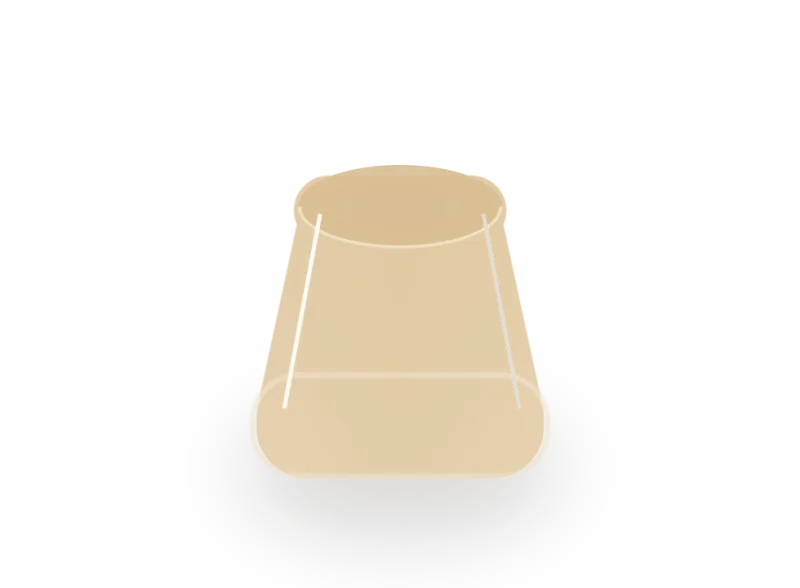
The dentist shapes enough tooth to remove decay or weak material, create space for the crown and make a stable foundation. The exact amount depends on the tooth, the damage and the selected material.
Is a crown the same as a veneer?
No. A veneer covers mainly the front surface for cosmetic change. A crown covers the whole tooth when the tooth also needs strength, protection or reconstruction.
Will I need a root canal first?
Not always. Root canal treatment is considered when the nerve or pulp is affected, infection is present, or symptoms and imaging show the tooth needs endodontic treatment before restoration.
Planning the crown
Can I get an exact quote from photos or an X-ray?
Photos and existing X-rays can help with a preliminary estimate, but an exact quote requires diagnosis. The dentist needs symptoms, tooth-specific imaging when indicated, a clinical exam, bite assessment and confirmation that the tooth is restorable.
Which crown material should I choose?
The material should match tooth position, bite force and cosmetic goal. Lithium disilicate or porcelain may be preferred for smile-zone detail, while zirconia is often chosen for back teeth or stronger bite force.
Can dental crowns be done in one day?
Some ready-to-restore crowns may be completed in one day only after the exam confirms the tooth, bite, material and fabrication schedule are straightforward. Many crowns are staged over two visits when a temporary crown or lab fabrication is needed. Root symptoms, deep decay, buildup, gum treatment, heavy bite, guards or multiple crowns can add visits.
What is included in the $500 USD crown price?
The listed crown price is $500 USD per crown and normally includes crown preparation, scan or impression, temporary protection when part of the crown sequence, final fit, bite/contact/shade review, bonding or cementation, and a one-year crown warranty. Root canal treatment, core buildup, post/core work, extra imaging, gum treatment, crown lengthening or guards should be listed separately if needed.
After it is fitted
Will the crown hurt or feel sensitive?
The procedure is done with anesthesia when needed. Some temperature sensitivity or gum soreness can happen after treatment, but pain that keeps you awake, swelling or a bite that feels high should be reviewed.
How long do dental crowns last?
Many crowns last five to 15 years or longer with good fit, material choice, bite control and home care. They are durable, but they are not indestructible.
Can decay happen under a crown?
Yes. The crown material cannot decay, but the natural tooth at the margin can. Brushing, flossing, regular checkups and a clean seal matter.
What if the crown feels loose?
Do not chew on a loose crown. Contact the clinic for instructions, especially if the bite feels wrong, the temporary comes off, swelling appears or pain is not controlled.