All On 5 Mexico / Vicente Guerrero reconstruction
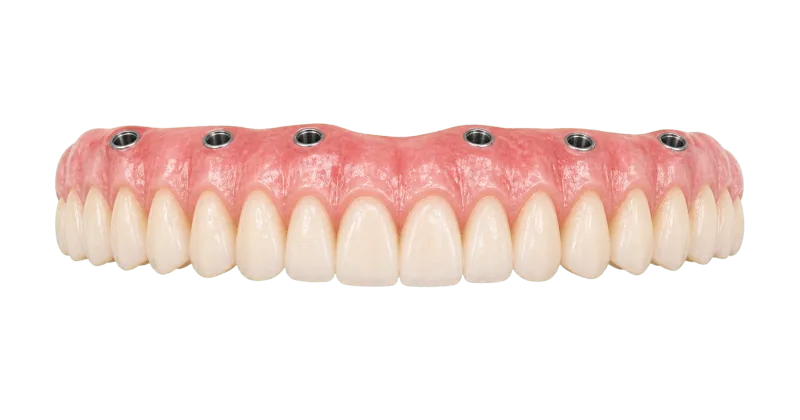
All-on-5 dental implants
and full-arch reconstruction.
Records, scans and clinical review come before implants, porcelain or full-arch treatment are named.
What we treat
Choose by problem,
not procedure.
Start with what is failing, what must change, and what must be protected. The procedure name comes last.
Smile design
with restraint.
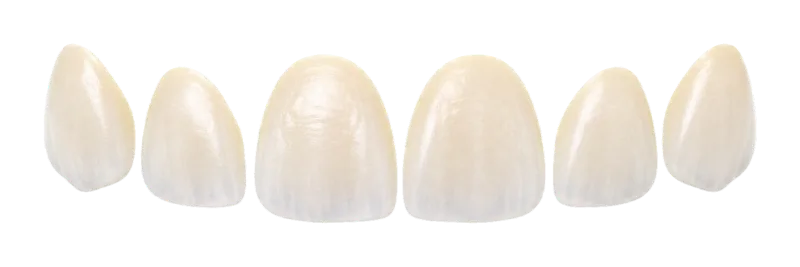
Plan veneers, crowns and shade only after enamel, translucency and bite are understood.
Protect damaged
teeth.
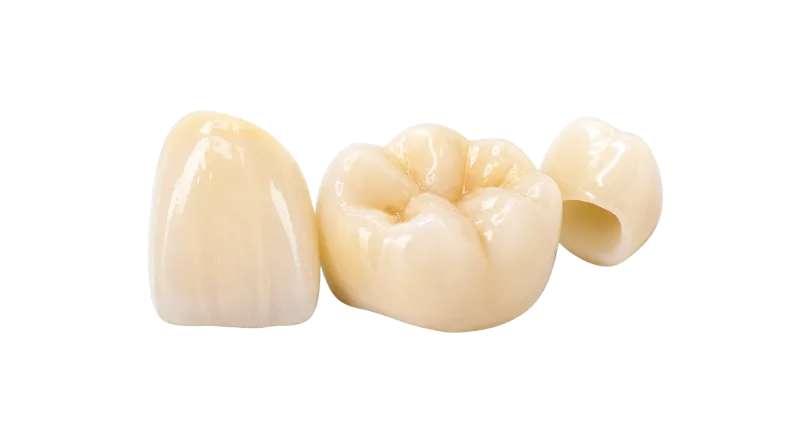
For cracks, old restorations or weakened teeth where a smaller repair may no longer be safe.
Material discipline
Designed with the lab in view.
Porcelain, zirconia, composite and titanium are not luxury labels. Each has a job, a limit and a maintenance requirement.
Natural results depend on translucency, stump shade, neighboring teeth, lip line and patient tolerance for brightness.
Posterior bite force and implant spans often require a different material logic than front-tooth esthetics.
Digital scans help, but margins, tissue response and cleanability are verified clinically before final delivery.
Patient decision map
The plan must
survive questions.
A serious recommendation stands up to the questions patients ask when treatment is expensive, irreversible or difficult to undo.
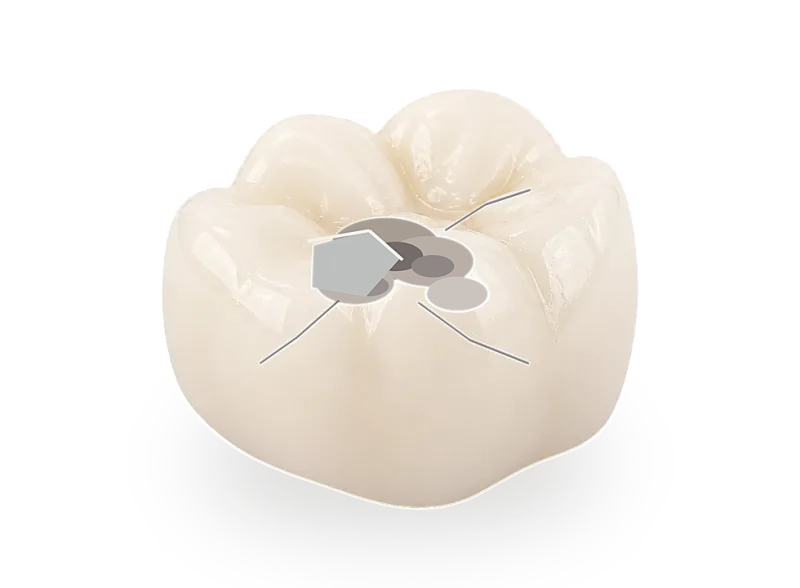
Remaining structure, cracks, nerve status and gum support decide whether restoration is safer than extraction.
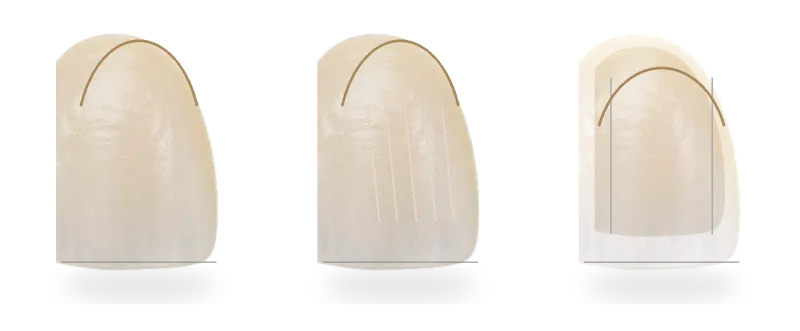
Cosmetic work begins with the least invasive option realistic for the smile goal and the bite.
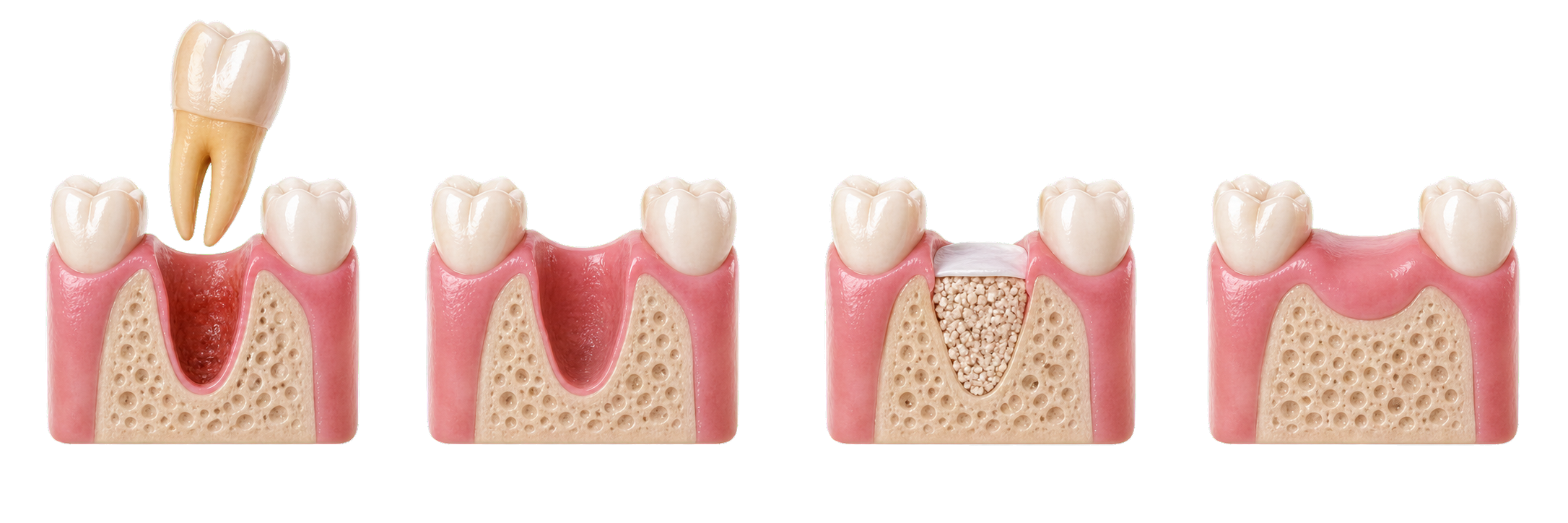
Bone, stability, infection control and prosthetic span decide immediate teeth versus staged healing.
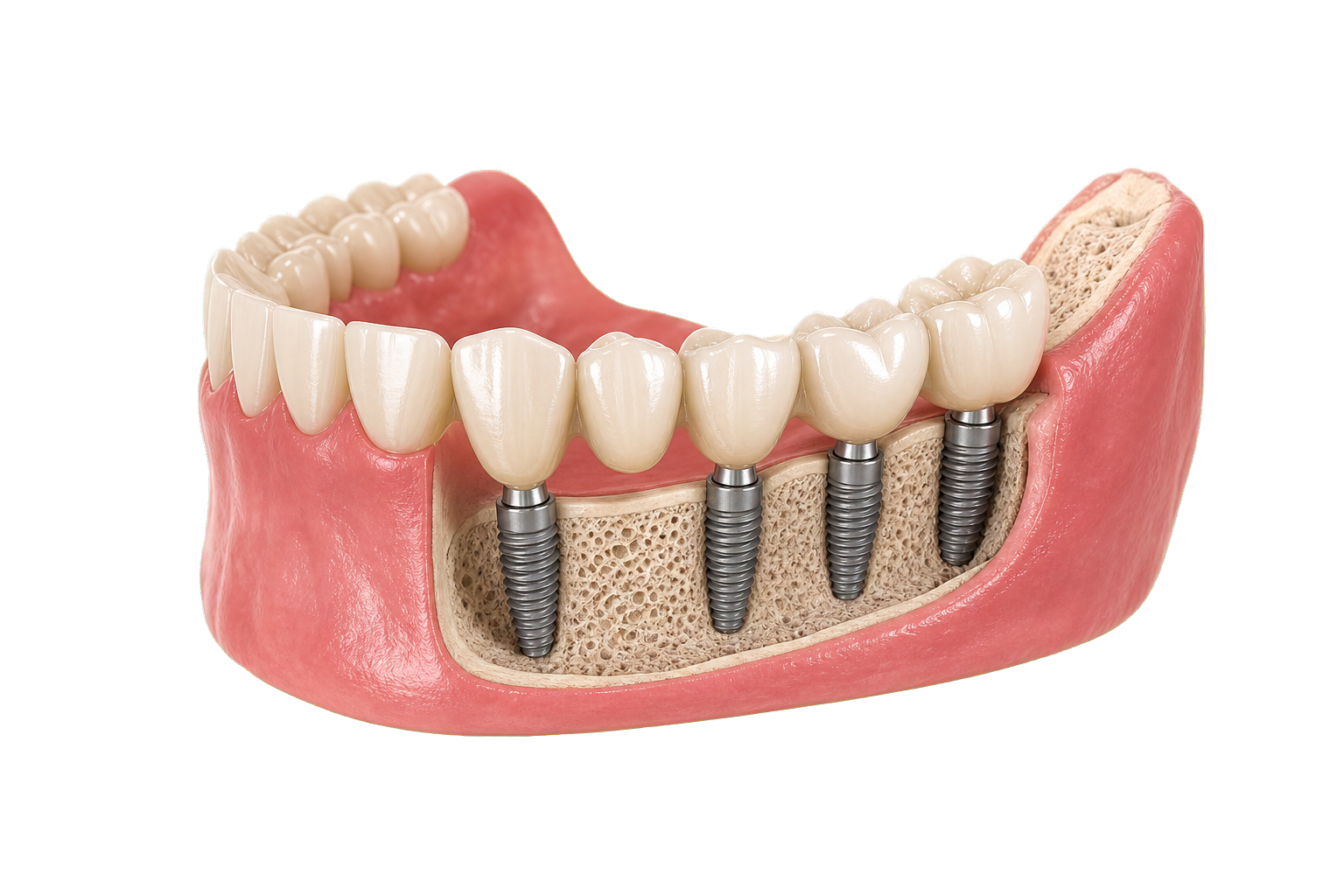
Long-term success depends on hygiene access, night protection, reviews and patient-specific risk factors.
Photo and video standards
Show the work,
then explain it.
Film and photography show diagnosis, sequence and fit checks, not only a polished final smile.

Face, smile, retracted and bite views separate cosmetic goals from structural risk before treatment is named.
Patient media is only useful when consent, diagnosis, timing, maintenance status and comparison limits are visible.
Shade, margin fit, screw access and cleanability explain why two attractive outcomes can age differently.
Care sequence
A slower start,
cleaner decisions.
The process is designed to separate listening, diagnosis, consent, treatment and maintenance.
Records visit
Listen and
document.
Symptoms, fears, previous dentistry, photographs, scans and initial radiographs are gathered without committing to treatment.
Clinical review
Diagnose and
prioritize.
Urgent disease, structural risk, bite load and cosmetic goals are separated so the sequence is clinically defensible.
Written plan
Compare the
real options.
The patient sees what is included, what is uncertain, what is optional and what can wait.
Treatment
Execute with
the lab.
Surgery, temporaries, ceramics and final fit are sequenced around biology, healing and material limits.
Maintenance
Protect the
investment.
Reviews, hygiene, guards and risk checks are part of the treatment, not an afterthought.
Case media standard
No result without
the record.
Patient results should be published only when the case has consent, standardized views and enough clinical context to teach responsibly.
Current homepage standard
No gallery without consent.
Patient results should only appear with signed consent, case context and diagnosis details.
Required if published
Show diagnosis first.
Full-arch, veneer or implant cases need the problem, sequence, material, timing and maintenance status.
Comparison rule
Same angle. Same light.
Before-and-after media should use standardized views, no filter alteration and clear outcome limits.
Cost transparency
Costs need
conditions.
A serious estimate names what is known, what is assumed and what still needs records before it becomes a plan.
Records, photographs, diagnostic review, written options and a clear explanation of what each option assumes.
Bone grafting, sinus anatomy, periodontal stability, bite risk, medical history and need for specialist referral.
Advanced imaging, sedation, surgical guides, provisional phases, emergency care and maintenance appliances.
Final costs are tied to a named plan, material choice, timing, warranty terms and maintenance obligations.
Who we are
Credentials patients
can check.
Premium trust comes from named people, public records, scope of practice and a clear route when something needs review.
our clinical team
Diagnosis review and clinical treatment planning are presented as named responsibilities, not anonymous clinic claims.
Dentist registration verifiable through public dental registry channels.
Salvador Frutos
Patient-facing treatment clarity, cost transparency and editorial presentation for these pages and planning information.
Gaby
Visit coordination, records intake, estimate follow-up and appointment communication before treatment is scheduled.
Clinic coordination role
Clinic verification
Professional and clinic registrations should be checked directly against public dental registry records before a complex plan is accepted.
Editorial standard
Reviewed, dated, limited.
Dental pages affect health, money and irreversible choices. Patients see who wrote, who reviewed and what the page cannot decide.
Salvador Frutos, patient-facing treatment clarity, cost transparency and editorial presentation.
Clinical suitability, treatment risks, timing and cost must be confirmed by the treating dentist after records are reviewed.
All On 5 Mexico, Vicente Guerrero, B.C. Licence and clinic records are verifiable through public dental registry channels.
Claims avoid guarantees. Treatment suitability, longevity, pain, timing and cost depend on diagnosis and maintenance.
Last content build: 22 May 2026. Review triggers include pricing, clinician changes, material changes and clinical protocol updates.
Questions before booking
Questions before
you book.
The first answers reduce pressure instead of closing a sale.
Can you quote from photographs?
Photographs can start a conversation, but exact planning depends on examination, radiographs, scans, bite records and medical history. Treat any estimate before records as a range, not a plan.
Will treatment happen at the first visit?
The first visit is designed for records, diagnosis and planning. Treatment is normally scheduled only after the patient has seen written options, risks, sequence and costs.
How do you avoid over-treatment?
The plan must explain what smaller options were considered and why they are or are not appropriate. Whitening, bonding, orthodontics, periodontal care or monitoring may be safer than porcelain or implants in some cases.
What makes a result last?
Longevity depends on diagnosis, material choice, fit, bite force, hygiene, medical factors and maintenance. Complex work often needs a night guard and scheduled reviews.
Does All on 4 mean permanent teeth in one day?
No. The first surgery visit may include implants and a fixed provisional bridge when loading is safe. The permanent bridge is made after healing, with final records, try-in, torque, screw-channel sealing and bite balance.
What can change a full-arch plan?
Bone volume, infection, implant stability, bite force, cleaning access, medical history, smoking, grinding, arch anatomy and final material selection can change timing, cost or implant count.
Begin with records
Begin with
a records visit.
The first appointment is not a sales appointment. It is where the clinic collects enough information to say less, more accurately.
C. Álamo 303, 21970 Vicente Guerrero, B.C., Mexico


